Lighting
Direct Lighting


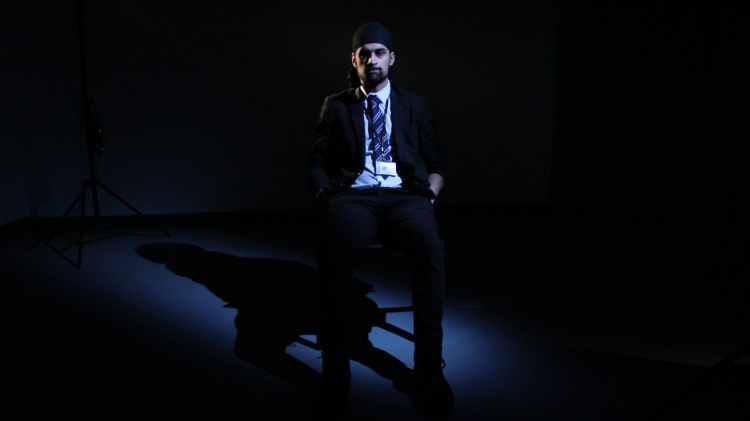
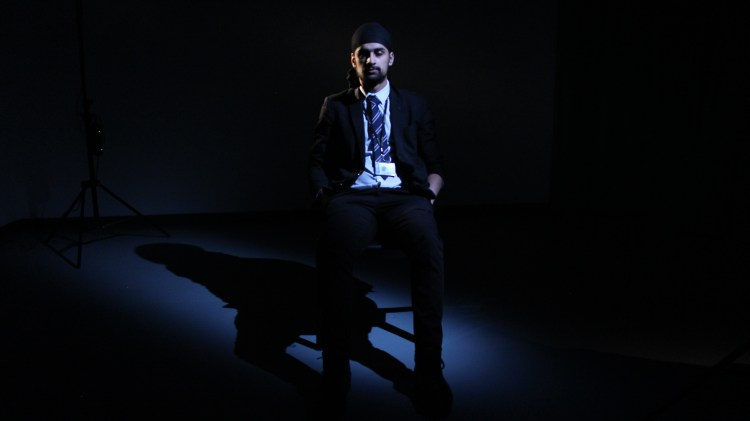
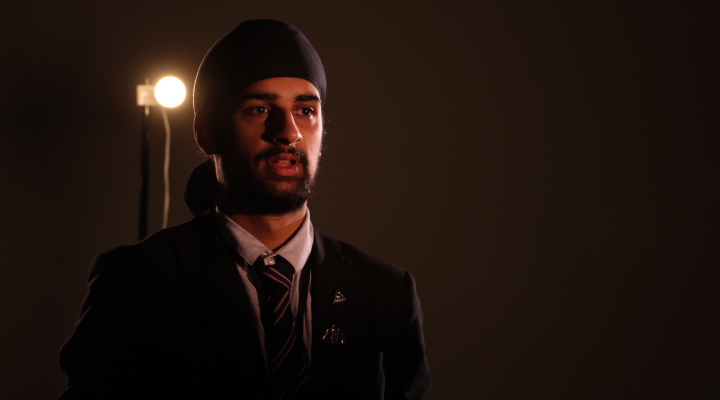
Direct lighting is when there is a single light source; it usually shines harshly on the subject. This is used in photography and video in order to create silhouettes, draw attention to a subject or simply because the use of 3-point lighting is not possible. This light source, however, may mean that the audience can’t see the actors face. This source of lighting can be used creatively by lighting half of someone’s face, implying duality within the character and their intentions.
Indirect Lighting


Indirect lighting is when a single diffused light source is lighting the subject. It is soft and is used in photography and video as it is complimentary – it only creates sutle shadows on someone’s face, smoothening them out. However, this light source does not create depth. This light source can be used creatively in fashion or when doing portraits. It creates ambience and can be layered to add an accent colour.
3 Point Lighting
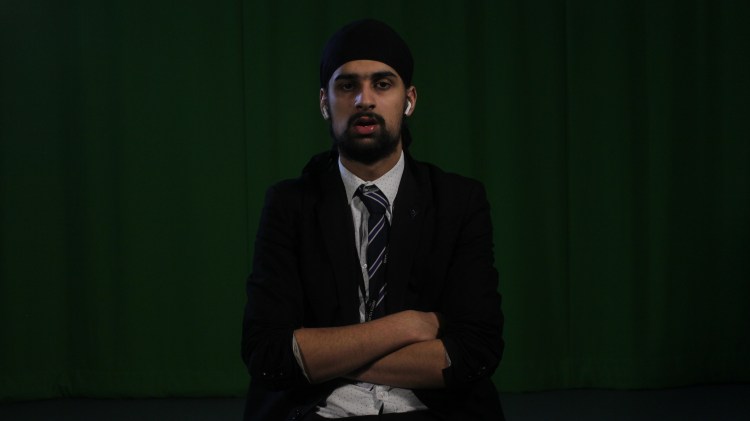
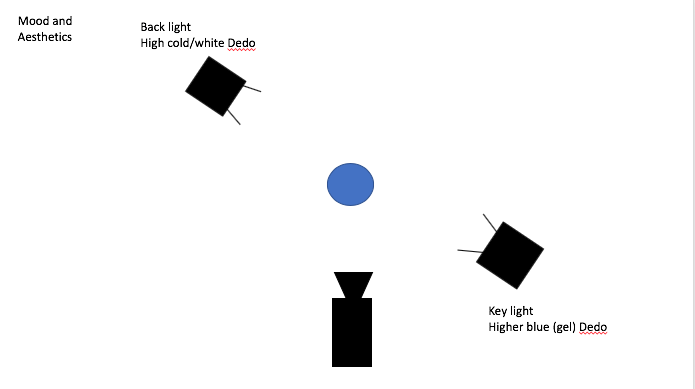
3 point lighting is when 3 lights are used to light the subject. There is a key light, backlight and fill light. The key light is the main light source that lights one side of the subject’s face. The fill lights soften the shadows created on the other side of the face, and the backlight adds depth – bringing the subject out from the background. There are three different types of backlighting: back (standard backlight), rim (the edge of someone is lit up) and a hair light (when the hair from behind is lit up, creating a glow). An issue created by this lighting is that it is easy to make the fill light to harsh and then it is too diffused – one light can be too harsh. This lighting can be used creatively by using gels to add colour, by using multiple lights for each position (e.g. 3 key lights) in order to make things shine/twinkle. Removing a light from the set up is also a way to be creative.
Key light


Fill light


Backlight


TV Studios
Kino-Flo’s and LEDs are used for lighting in a television studio, mainly as backlights. Arri Red heads and Arri Blondes may also be used as harsher backlights – the Blonde can also be used as strong key light. The key and fill lights would be soft with little to no shadows – the backlights are harsher than key. The anchors will be lit from above (from ceiling rack) creating a flattering light source. Fleznals are already registered to daylight and can be used too. Not all of the lights are fluorescent so on the light deck, keep the number on 9.
You would use Kino-Flo’s as they emit little to no heat, can be changed from tungsten to daylight, use little energy and therefore cost and are a soft light that are good quality. You cannot change the amount of power being put into the blondes and Red heads as they will blow up.
The purpose of lighting is to create a flat, diffused light on the news anchors in order to look flattering and trusting. By having pre-planned setups, it allows for the actors to move around without having to worry about lighting. Standard ceiling rigs are set up in their places and it is rare that you would move hem, they are just turned on and off when needed. The Gaffer will come in every morning and just tweak the lighting setups. The backdrops also need to be lit up evenly – this is beneficial for greenscreens – as they are big.

Theatre and Film
3-Point lighting is used in both film and theatre in order to achieve different effects. Both use hard lights like the Arri Red Heads and Blondes, which are either ceiling mounted or on stands. Fresnals can also be used – these are different from the Arri’s as they have an extra piece of glass which diffuses the light. LED’s can also be used as they are dimmable and can change colour – this is especially the case for theatre which often uses coloured lights as a backlight. Par cans are used for theatre specifically as they give a very long light – spotlight. They give an elongated version of a Red head and are ceiling rigged. Films most likely use LEDs and Red Heads but they must balance the intensity and colour of the light. Contemporary theatre may also use laser for effect.
Arri Red heads and Blondes are likely to be used as key lights as they are hard lights and will light the subjects well. Red heads are portable and can be bounced off of a wall in order to boost the light levels.
Theatres only use par cans as you can adjust the glass the make a spotlight or diffuse the light across the stage. Coloured light spots are often used as backlights. 3-point lighting is used creatively, often taking out of element to add effect. In theatre, they are trying to create an atmosphere and shadow. Spotlights are used to put a focus on the subjects and create depth. Smoke machines are often used which accentuate the lighting.
Location film people will often use Arri’s as they are small and therefore portable. They are used for 3-point lighting, however, due to the health and safety implications – they are hard lights that can explode – people are moving towards LEDs for lighting. LEDs are also used especially used for films shot in confined spaces as they are safe and portable. They also use 3-point lighting. 3-point lighting for films is not used as creatively for the film as they are for theatre, often lighting subject to simply show them normally.
Photography
Flash heads and stands are used in photography to light subjects. Flash heads have two bulbs, a flash and model. Flash heads are the main source of light for a studio. They are considered a hard light source but the intensity of the light can be changed with a snoot (which focuses the light) and a honeycomb (grid which cuts the light and makes it less intense). Another funnel that is shiny inside may be used to focus the light more. You can get location flash heads or use flashguns.
Softboxes and beauty disks can also be used on top of these in order to spread the light. A big softbox will spread the light more than a smaller one, making it more diffused. Moving the lights further away will also affect the intensity of the light.
A reflector is another thing that may be used to diffuse the light. The can be used on location or in a studio. These can be umbrellas and are portable.
Flags and stands are also used. A flag is used to bounce light off of or to bock off the light so that only some parts of the setting is lit. These are usually black as black absorbs light. A skrim is a sheet that can be used to diffuse the light rather than cut it off like a flag.
Triggers and receiver are a remote control that controls all of the lights. They also you to adjust the intensity of the lights, as well as create presets for efficiency.
These lights are often rigged in a ceiling and 3-point lighting is needed in order to reduce shadows.
This equipment is needed for photography rather than the equipment used for film and theatre as it is designed to capture still life and people rather than moving subjects. They prevent motion blur and allow a sharper image to be created – they also keep the colour consistent as a result.
The lights for photography are also supposed to be softer and more complimentary – especially for things such as fashion – rather than stylistic. Stability is needed, which is why there are so many different light modifiers.
Mood and Aesthetics
Orientation and Perspective
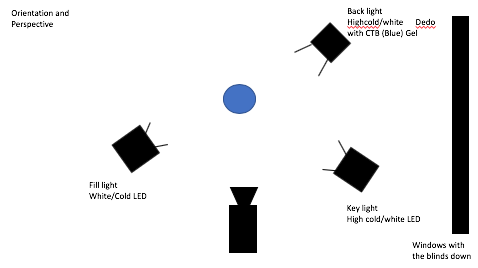
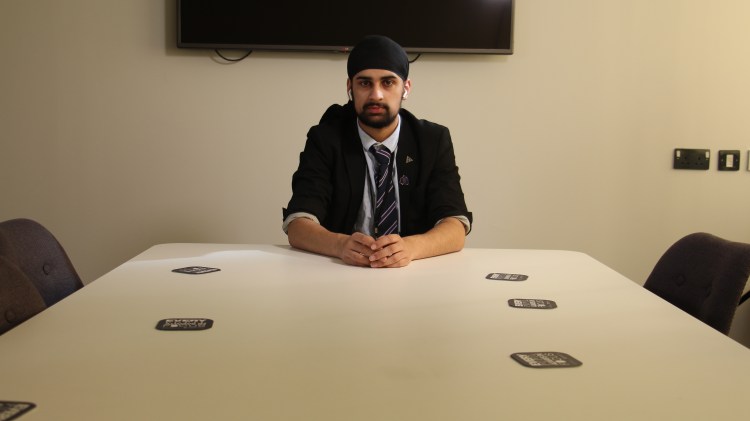
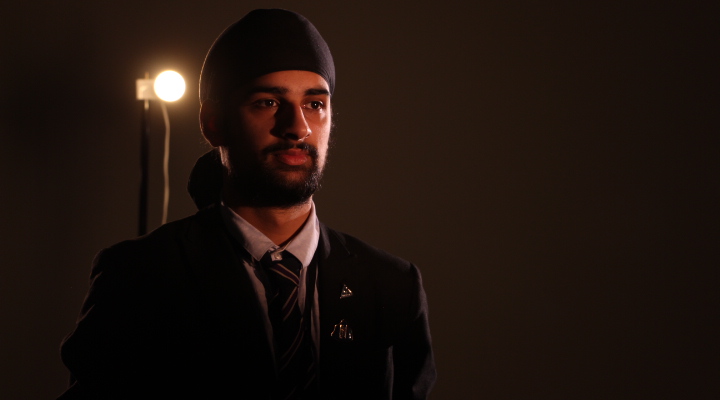
Chiaroscuro 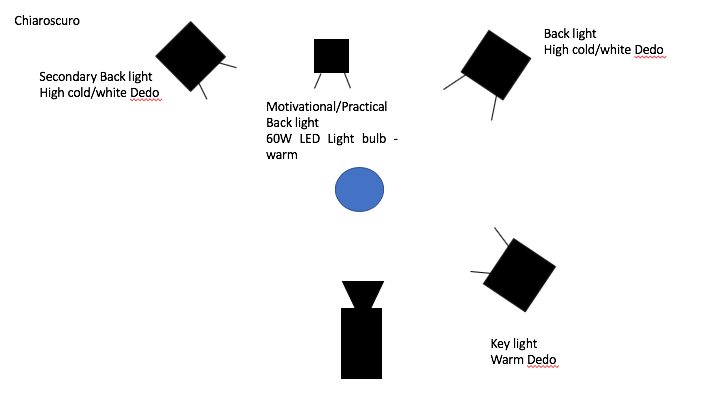
Key terms for lighting in photography:
Ambient light – the light that is already there. Light comes in through windows and bounces of off the floor.
3-point lighting – creates the illusion of depth so that the subject and setting do not look flat.
Back/Rim/Hair light – outline the subject and bring the subject out of the background. A rim light on lights the edge of someone.
Quality of light – whether or not the light source is a hard light or a soft light. The size and distance from the subject determine this. Hard light creates harsh shadows and high contrast, whereas a soft light creates a diffused and more complimentary light by being a larger source.
Practical light – a prop is used to look like it is illuminating the scene, e.g. a lamp. Can be used to be a motivator akes it make sense to have a light on a certain side.
Bounce light – bouncing light off of the wall to make the light source bigger and softer. Create a bigger area/distance from the subject to make it look better – there’s a longer distance the light has to travel. A skrim can also do this – often done for drama as it is complimentary and about the narrative, not the surroundings.
Spot – a narrow, intense beam of light. Spotlight.
Flood – a larger beam of light where the intensity in the middle is lost.
Colour Temperature – measured/known as Kelvin (K). The colour of the light is affected by how hot it is and the camera can read this in different ways by changing the settings to make the camera match the lighting. If you change the camera to read 6000K, the light outside (blue) is now balanced and can you can input different light sources. If the camera is set at: 2800K = cold, 4300K = warm, 6000k = white – looks desaturated/washed out (popular amongst cinematographers and dramas). Setting the camera at a certain kelvin will make the light source the opposite warmth/colour. Actually, indoors looks orange and outdoors looks blue (the sun is 5600K). A higher Kelvin looks blue whereas a lower Kelvin looks warm.
https://hpocrunit18.wordpress.com/
 Eesha's Unit 18 Blog